
TMJ Treatments
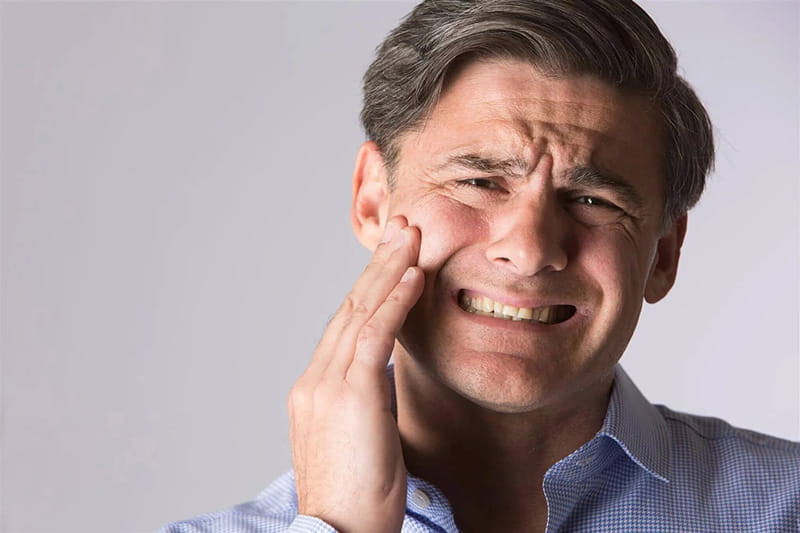
Relief for jaw pain and TMJ disorders
TMJ stands for the temporomandibular joint, which connects the lower jaw (mandible) to the skull near the temple area. Problems with this joint, where the jaw and skull meet, can be caused by misaligned teeth, injury, excessive muscle tension, teeth grinding, or clenching. The joint relies on cartilage, ligaments, and several muscles to function properly. When issues develop, they can lead to a variety of uncomfortable symptoms and affect normal jaw function.
Common symptoms of TMJ disorders include:
- Headaches
- Earaches
- Difficulty or discomfort when opening and closing the mouth
- Clicking or popping sounds in the jaw
- Jaw muscle pain
- Facial pain or soreness around the jaw joint
Treatment for TMJ disorders varies depending on the cause and severity of the condition. Dental treatments may include replacing missing teeth, adjusting the bite, moving teeth, or correcting gaps between teeth. In some cases, a custom oral appliance may be recommended to reduce the effects of clenching or grinding.
Because every patient is different, there is no single treatment that works for all TMJ disorders. Early diagnosis and treatment can help prevent further damage and relieve discomfort. In severe, untreated cases, surgery may be necessary to repair a damaged joint.
Stines Family Dentistry provides personalized TMJ evaluations and treatment options to help restore comfort and function. Contact our office to learn how we can help.