
Non-Surgical Gum Treatment
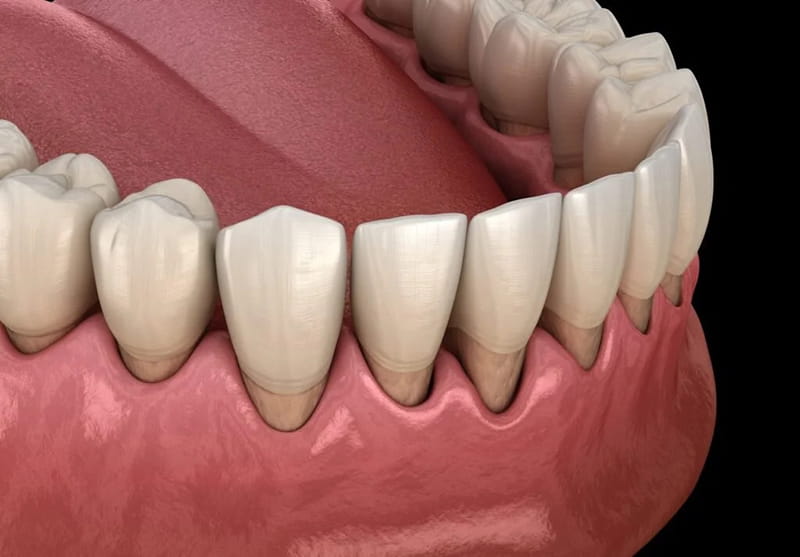
Periodontal disease treatment
Gum disease, also known as pyorrhea or periodontal disease, develops as the result of a bacterial infection. In early dental history, gum disease often caused people to lose their teeth at an early age. Surgical treatment was later developed to help treat gum disease, but the progression often continued because the source of the disease was not eliminated.
Once the source of gum disease was better understood, the dental community found that many periodontal treatments did not necessarily need to involve surgery. When detected and treated early, gum disease can often be successfully managed by removing bacteria and plaque below the gumline and encouraging the gums to heal and reattach to the teeth.
Initially, gum depths will be measured and charted for each tooth. After treatment, measurements will be taken again to track improvement. Before the first procedure, some dental repairs may be needed if worn fillings or crowns are allowing plaque to collect underneath and interfere with the healing process.
Removing plaque below the gumline is called scaling and root planing. Once the teeth are smoothed and cleared of plaque, the gums are better able to reattach. Local anesthesia may be used during this process, depending on the severity of the periodontal disease. Antibiotics may also be prescribed in pill form or applied directly to the gums as a powder. An antibacterial mouth rinse may also be recommended.
Call (517)-552-9210 to schedule an appointment.